Known as the “Eighth Wonder of the World,” the Ngorongoro Crater is a breathtaking natural amphitheater and one of Africa’s most remarkable wildlife destinations. Located in northern Tanzania, this UNESCO World Heritage Site was formed over two million years ago when a massive volcano collapsed, creating the world’s largest intact volcanic caldera.
Today, Ngorongoro stands as a thriving ecosystem — a paradise for wildlife and one of the most photogenic places on Earth. With its dramatic landscapes, rich biodiversity, and year-round game viewing, it’s an essential stop on any Northern Tanzania safari circuit.
Wildlife and Landscape
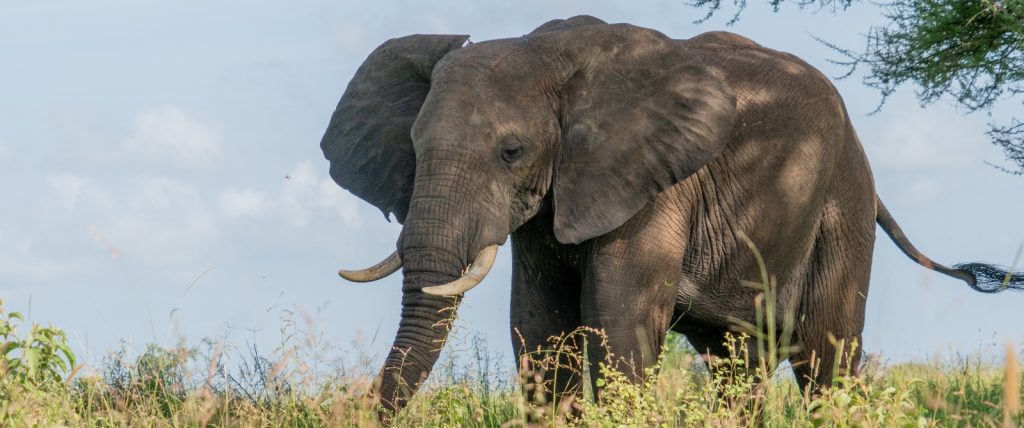
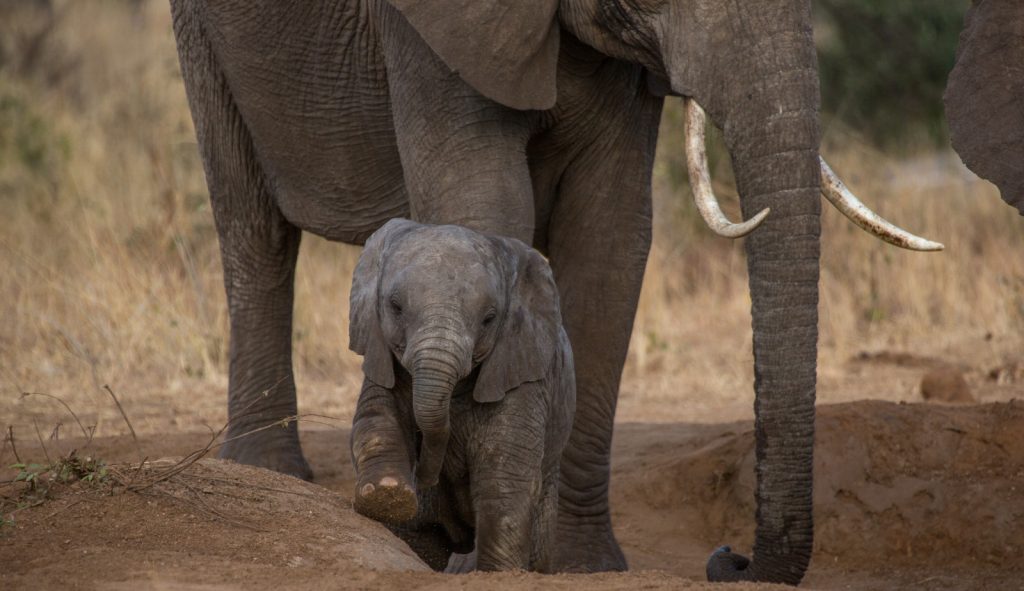
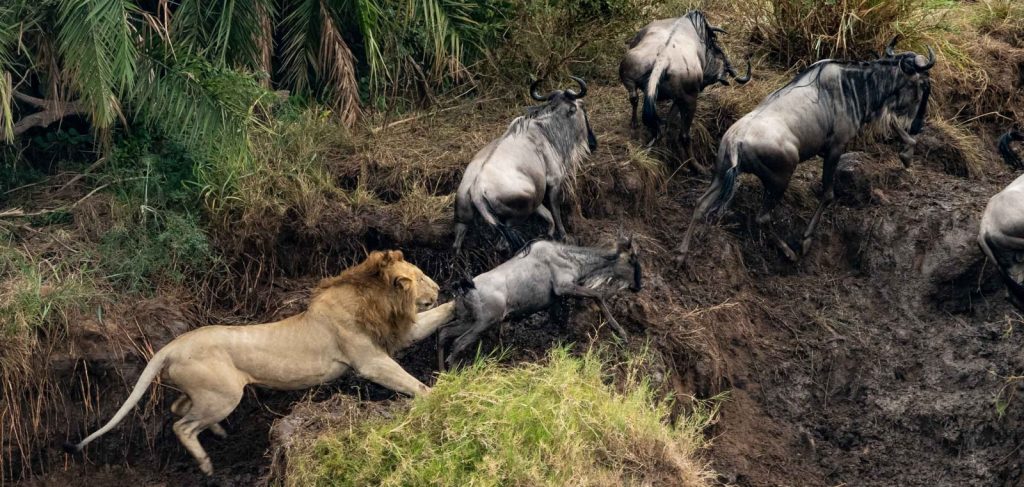
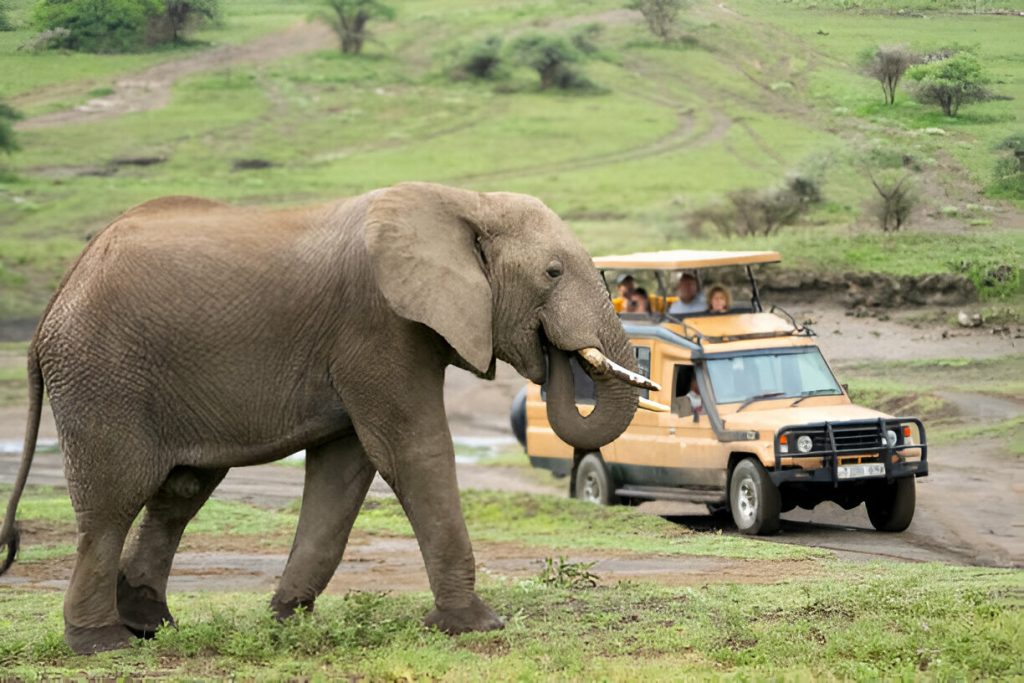
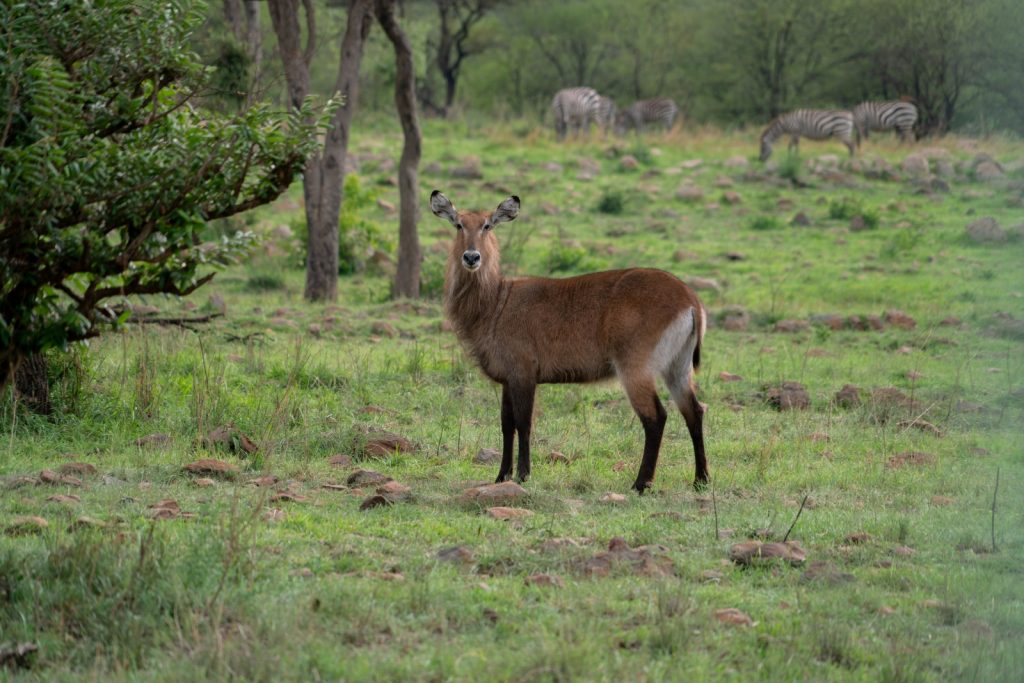
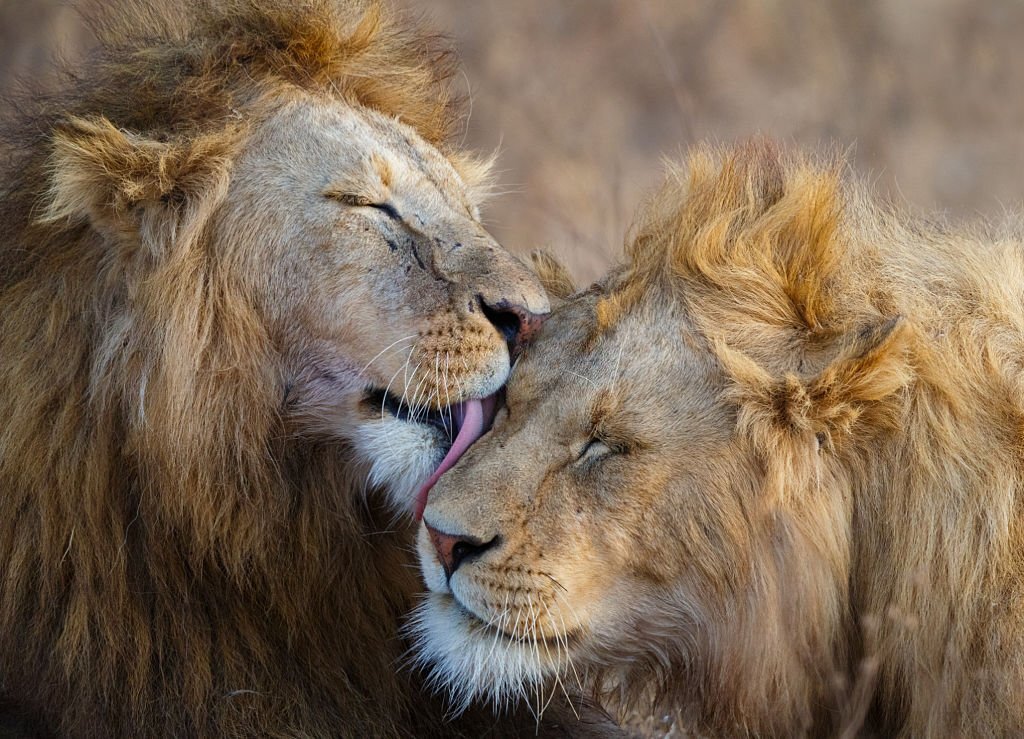
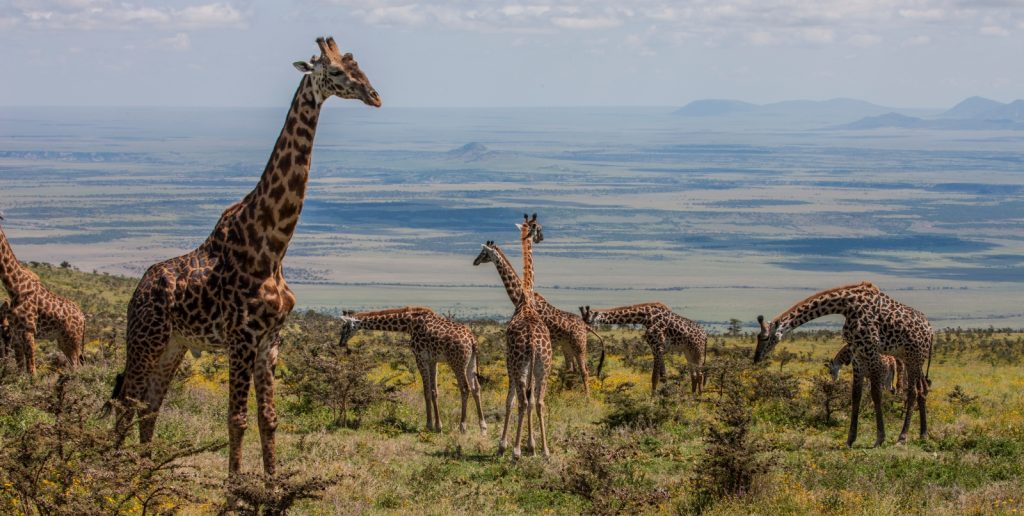
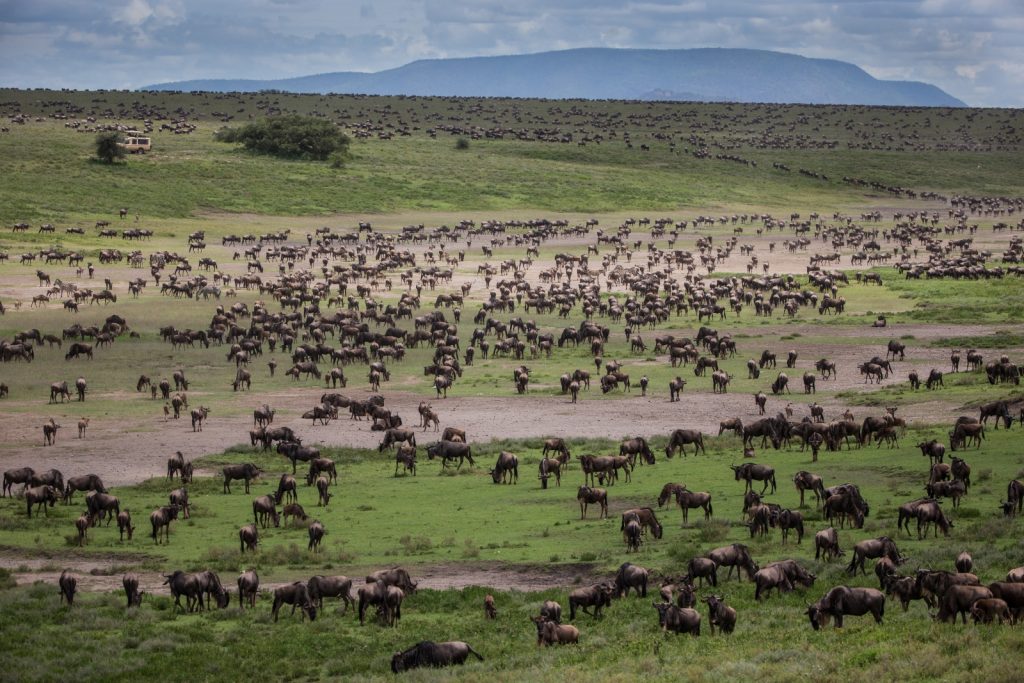
Ngorongoro Crater covers an area of about 260 square kilometers and stretches 600 meters deep, creating a self-contained world teeming with life. The fertile crater floor supports over 25,000 large animals, including elephants, lions, zebras, buffaloes, wildebeests, and the rare black rhino.
It’s one of the few places in Africa where you can spot the Big Five in a single day. The crater’s mosaic of habitats — open grasslands, acacia forests, marshes, and soda lakes — provides a stunning backdrop for safaris and photography.
Flamingos often grace Lake Magadi, adding color to the crater floor, while hippos cool off in the nearby pools. Beyond the crater, the Ngorongoro Conservation Area offers highland forests, volcanic peaks, and Maasai villages that complete the region’s unique appeal.